
- New
How Canada is Unlocking Oxygen Access in East Africa
Grand Challenges Canada (GCC), a Canadian publicly funded innovation agency, with anchor funding from Global Affairs Canada, provides catalytic capital to back health innovators in markets where traditional capital falls short. Its investment in Hewatele, an East African medical oxygen supplier, shows what that looks like in practice: long-term, concessionary financing that absorbed risk and unlocked the private capital needed to build East Africa's largest liquid oxygen facility.
The Oxygen Problem No One Had Solved
When COVID-19 surged in Kenya, hospitals ran out of oxygen. National demand jumped from 410 tons per month to 880 tons1, and the system could not keep up. Production was too far from patients and transport costs pushed prices to 8 to 10 times what hospitals in Europe or North America pay. In a functioning health system, oxygen is simply assumed to be there. It is essential for surgery, emergency care, neonatal support and treating respiratory illnesses like pneumonia, one of the leading causes of child deaths worldwide. When supply runs short, it leaves health workers without the tools they need to save lives.
Hewatele's Model
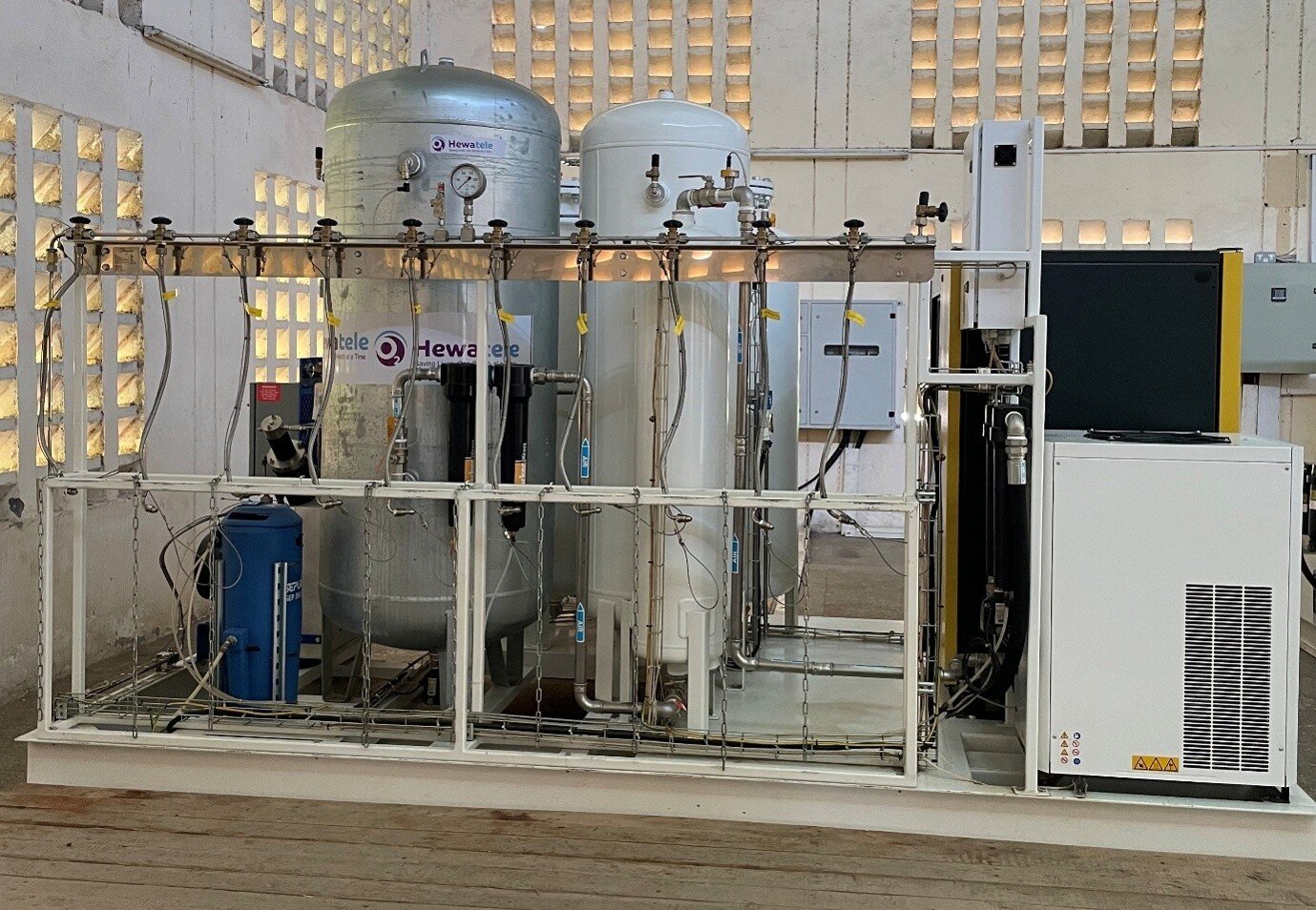
Hewatele set out to redesign oxygen access by bringing production closer to patients. The company pioneered a "milkman" model, installing pressure swing adsorption (PSA)2, plants inside or adjacent to public hospitals via PPP agreements and distributing supply to surrounding facilities on fixed routes. By cutting out intermediaries and standardizing delivery, Hewatele reduced logistics costs by 25-30%3, and gave hospitals supply routines they could plan around. Today, the company operates in Kenya, Uganda and Somalia, serving public hospitals and clinics across the region.
How the Capital Stack Came Together
To scale oxygen access, Hewatele required two complementary investments: a large-scale liquid oxygen (LOX) facility for tertiary care and bulk distribution, and PSA plants that anchor supply inside hospitals. To build the LOX plant, a USD 20 million blended‑finance package was assembled bringing together equity from UBS Optimus Foundation, Finnfund, and others, senior debt from the U.S. International Development Finance Corporation (DFC), and grants and subordinated debt from GCC. When the DFC financing was delayed, the deal was at risk of collapsing. GCC held its position as the most subordinated lender, and the equity investors provided guarantees covering potential losses. This risk-sharing structure gave AfricInvest's Transform Health Fund the confidence to commit USD $10.5 million in bridge financing, filling the gap and keeping construction on track.
The long-term economics of the deal are further anchored by a MedAccess volume guarantee under the East African Programme on Oxygen Access, funded by Unitaid with contributions from Canada and Japan. The guarantee caps prices for public hospitals and provides contingent payments if purchase volumes fall short, giving Hewatele the revenue predictability to service its debt and invest in supply chain without passing risk onto buyers.
Each investor brings a distinct mandate and appetite for risk, but in Hewatele, they united around a common commitment to expanding access to affordable medical oxygen in East Africa. According to Convergence, health accounts for less than 7% of all blended finance transactions globally. This deal is a testament to what becomes possible when mission-aligned investors are willing to hold difficult positions and move together toward a shared goal.
What This Investment Unlocks
The LOX facility, located in Tatu City on the edge of Nairobi, will produce at least 20 tons of medical grade liquid oxygen per day, complementing Hewatele's hospital‑based PSA network. As production volume grows, stock shortages decrease, supply chains shorten, and prices fall for hospitals that have historically had no affordable alternative. Hewatele also trains clinical staff in safe use and monitoring, maintenance protocols, and end‑to‑end equipment reliability to ensure that production gains translate into better bedside outcomes. The company expects significant clinical gains. Published evidence shows oxygen therapy reduces child deaths from pneumonia by approximately 35%4, and timely access during delivery reduces fetal hypoxia risk, one of the leading causes of preventable neonatal mortality. To date, GCC's investment in Hewatele has reached close to 100,000 people, improved the lives of more than 63,000 people, and saved 32,000 lives in East Africa.
Why This Model Matters
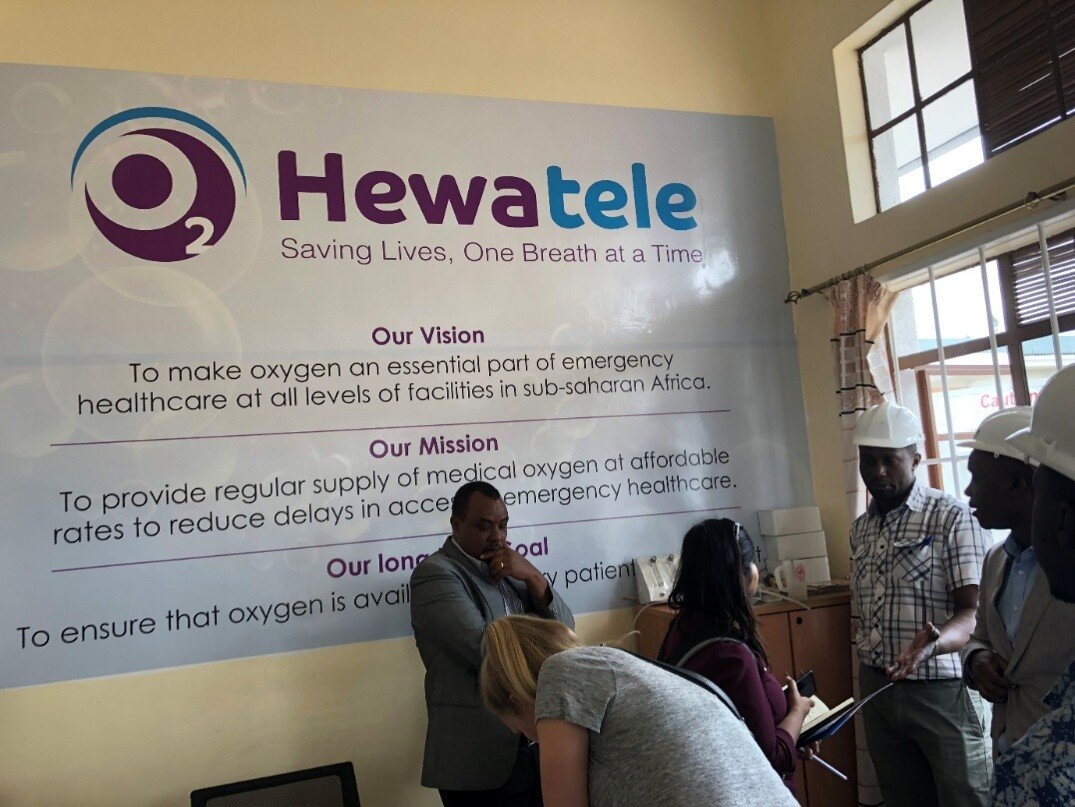
GCC's participation in Hewatele builds on years of work to close oxygen gaps for newborns and children by scaling clinically grounded innovations. With funding from the Government of Canada, GCC was one of Hewatele's first champions. In 2017, GCC provided the company with an initial loan that helped Hewatele expand its operations across several counties in Kenya.
GCC's approach is to act as first-mover capital, absorbing the risk and unlocking the conditions that enable broader and more sustained impact. The Hewatele transaction is a clear example of that model working as intended. It demonstrates how patient, flexible capital does not just fill financing gaps. It builds the conditions for private investment to follow, and for health infrastructure to outlast the funding that sparked it. In a sector where blended finance remains the exception, Hewatele demonstrates what is possible with the right structure and the right partners.
1Tatu City American, Finnish and Canadian governments fund oxygen plant at Tatu City SEZ, Kenya | Tatu City
2An on‑site oxygen generation method that uses adsorbent materials to remove nitrogen from ambient air, producing medical oxygen (typically ≥90% purity) that can be delivered directly to wards or filled into cylinders for nearby facilities.
3Tatu City American, Finnish and Canadian governments fund oxygen plant at Tatu City SEZ, Kenya | Tatu City
4Tatu City American, Finnish and Canadian governments fund oxygen plant at Tatu City SEZ, Kenya | Tatu City