
- New
Global Surgery Foundation: Rethinking Surgical Care as a Cornerstone of Global Health Systems
Global Surgery Foundation
Headquarters: Switzerland
Project Countries: Kenya, Tanzania, Nepal, Nigeria
Keywords: blended finance, pooled financing mechanism, layered funding, rapid equity lever, Disability-Adjusted Life Year (DALY), resource-constrained settings
Summary
While the global health community has made significant strides in combating infectious diseases and is increasingly addressing the growing burden of non-communicable diseases (NCDs), universal access to safe surgery remains largely off track as 5 billion people currently lack access to surgical care1. Focused on developing self-sustaining local ecosystems, Global Surgery Foundation (GSF) leverages collaborative financing and innovative interventional models to transform health systems and close one of the largest neglected gaps in global health.
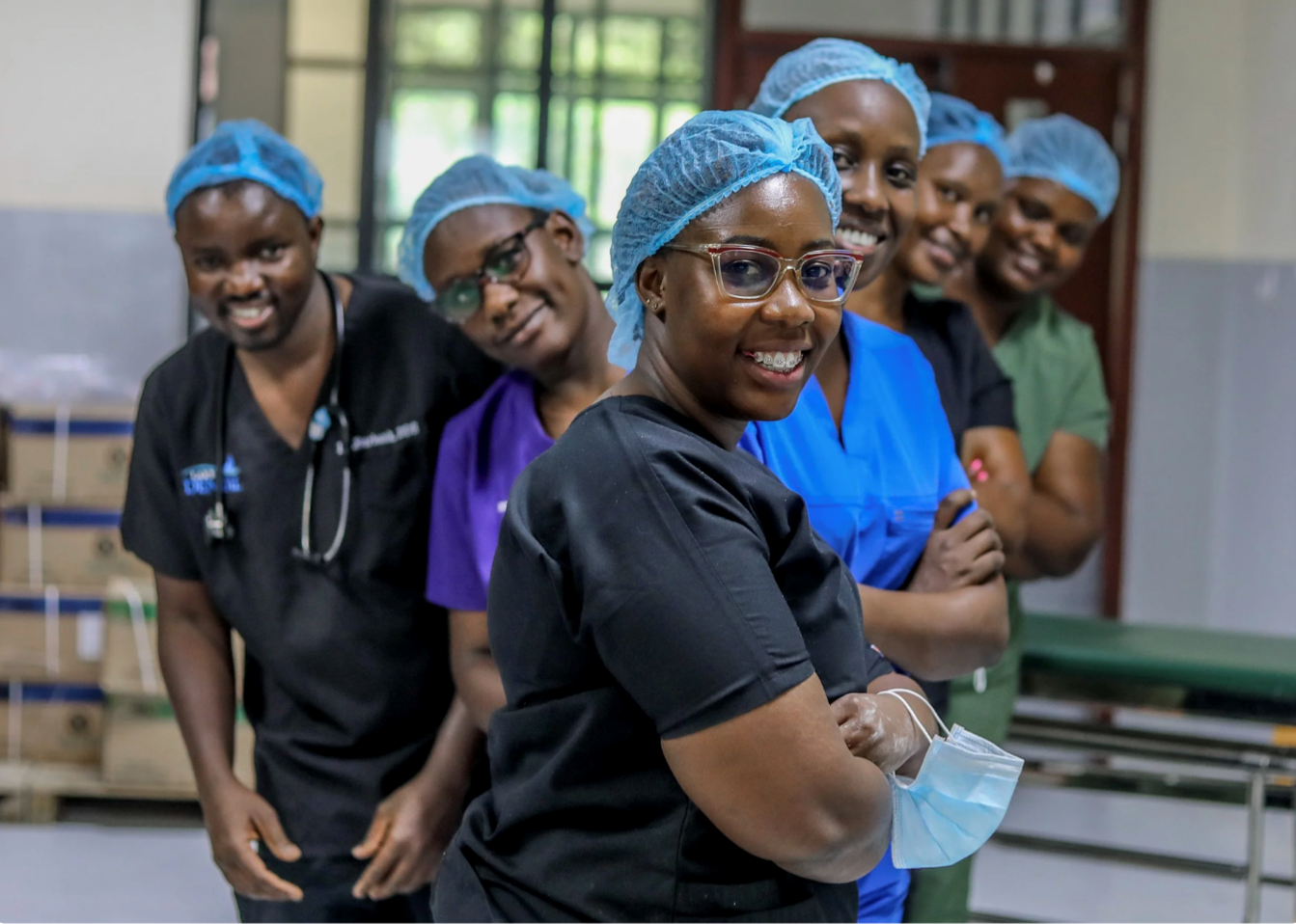
The surgical team at Nakuru Provincial Hospital
photo by Frank Kimaro/Jhpiego
Key Figures
| 1,500+ Health Professionals Trained in Person Locally |
280K+ Patients Receiving Essential Surgical & Maternal Care |
65K+ Health Professionals Reached Globally via SURGhub |
Partner's Information
The Global Surgery Foundation is a foundation established under Swiss law. Its vision is a world where equitable access to surgical care enables every person to live a full and healthy life. To that end, GSF mobilises funding and provides technical support to local implementing partners, enabling expanded access to safe surgical care in low- and middle-income countries (LMICs). GSF enables funding partners to advance safe surgical care through a platform that combines collaborative funding with structured technical support, ensuring high-quality delivery and sustainable results that would be difficult to achieve through standalone project funding.
Background & Challenge
Surgical conditions now represent roughly 28% of the global burden of disease, yet less than 1% of global health funding goes to surgical care. Overall, only 26% of LMICs are on track to achieve access to essential surgery within 2 hours, and none has reached the recommended benchmark of 5,000 procedures per 100,000 people per year. Consequences can be fatal: for example, the inability to access a caesarean section when needed or the complications arising from unsafe procedures are a major contributor of the 287,000 maternal deaths occurring annually2.
Approach
The first mechanism is SURGfund, a pooled financing mechanism inspired by other global funds but streamlined for agility. A key feature is the layered, collaborative funding design: once a project demonstrates efficacy in a locale (e.g., maternal health initiatives in Nakuru County, Kenya or Kano State in Nigeria), new capital can be injected to expand that proven model across the whole county, as well as into adjacent regions (e.g., Kilifi County, Kenya), thus reducing donor risk while accelerating scaling.
Simultaneously, to address the acute shortage of surgical workforce, GSF has established SURGhub: UN-linked, and the fastest growing digital learning platform in the surgical space, with more than 65,000 registered health professionals across 202 countries and territories. SURGhub is a joint initiative of GSF and United Nations Institute for Training and Research (UNITAR), supported by Royal College of Surgeons in Ireland (RCSI), and in association with the J&J Foundation. Its flipped classroom model maximizes efficiency of training programs by requiring trainees to complete specific digital modules before attending in-person sessions.
A defining example is the "Building Bridges for Broken Bones"3 project in Northern Tanzania, a region facing high rates of amputation following road traffic accidents - caused not only by trauma, but also by the practices of traditional bonesetters, whose application of tight splints often caused ischemia and gangrene. Through targeted training, bonesetters learned to treat simple fractures and identify complex cases requiring hospitalization, effectively transforming a possible barrier to implementation into a functioning referral network. The project's success in reducing amputations eventually secured independent funding from the Dutch government, allowing GSF to withdraw while the program continued autonomously under local stewardship.
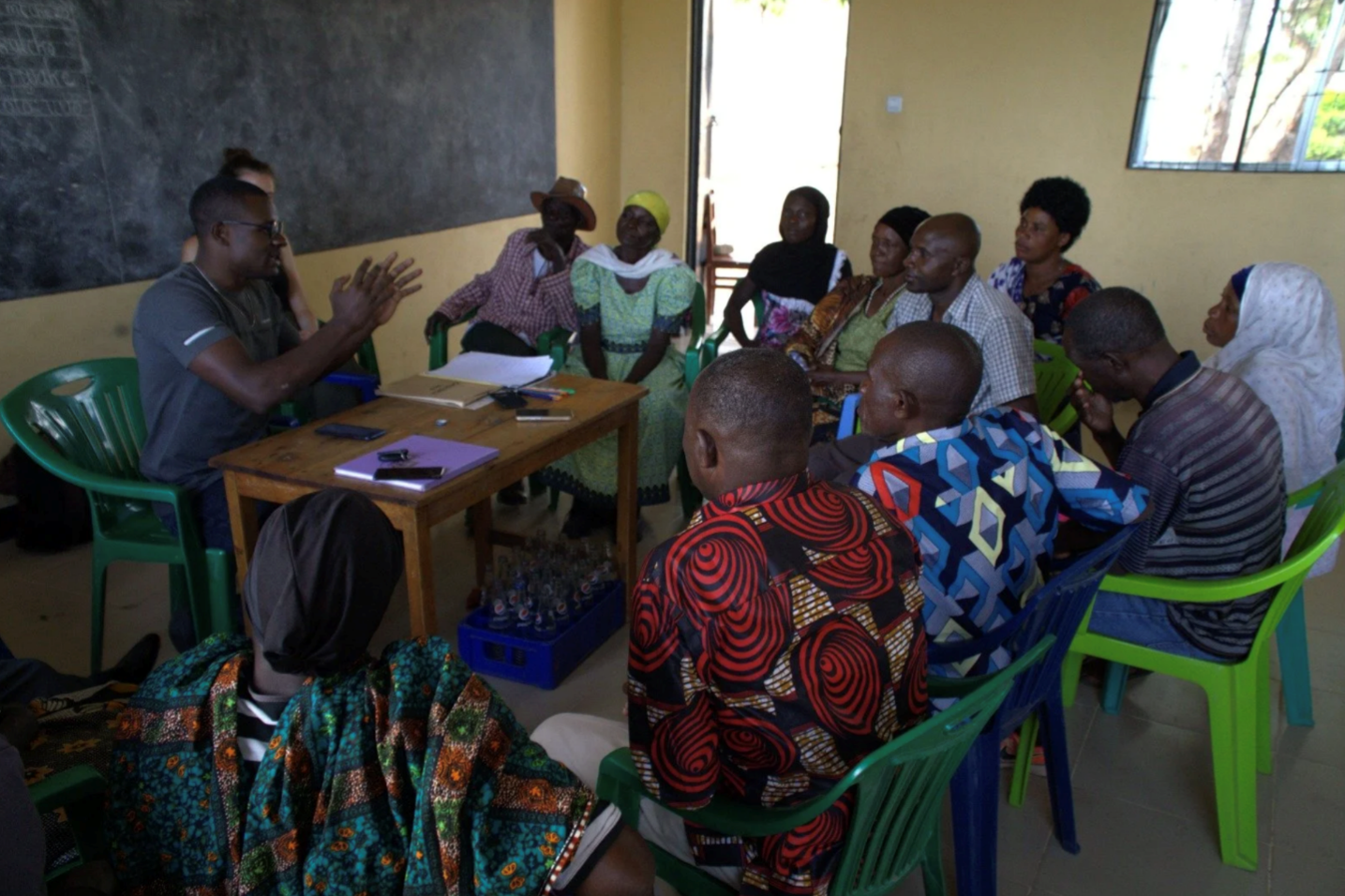
A focus group discussion with local bonesetters and fracture patients
Impact & Results
Overall, by the end of 2026, GSF's initiatives will have trained over 1,500 healthcare workers and improved the quality of local healthcare delivery for more than 280,000 patients, mostly mothers and newborns. Initial results show significant improvement in patient's safety and health outcomes, such as decrease in newborn mortality by 71% in Kenya and 45% in Nigeria, 42-45% decrease in newborn ICU admissions, and reduction of surgical complications by roughly 50% in Nigeria - resulting in shortening hospital stays, reducing antibiotic use, and substantial cost savings for health ministries. On a global scale, the macroeconomic payoff could be immense: research by the NIHR Global Health Research Unit on Global Surgery estimates that scaling up breast, stomach, colon, and rectal cancer surgery in LMICs could enable 884,000 people to return to work and add over US$ 80 billion annually to the global economy4.
Future Outlook
As such, the ultimate measure of GSF's success is the transition from donor-funded projects to locally owned and self-sustained programmes integrated within national health systems and policies. Following the success of district-level pilots, the governments of Kenya and Nigeria, are now actively exploring to expand these models to the national or state level. As GSF shares their achievements and methodologies at global forums like the World Health Assembly or the United Nations General Assembly, the organization is actively scaling local learnings into pillars of national health systems.
- WHO, Ensuring safe and affordable surgery, https://www.who.int/westernpacific/activities/ensuring-safe-and-affordable-surgery
- WHO, The urgent drive to save women's lives across the world, https://www.who.int/news-room/feature-stories/detail/donors-making-a-difference-to-maternal-health--the-urgent-drive-to-save-women-s-lives-across-the-world
- The Global Surgery Foundation website, Treating extremity fracture patients in rural Tanzania, https://www.globalsurgeryfoundation.org/building-bridges-for-broken-bones
- Surgical health policy 2025-35, Nepogodiev, Dmitri et al., The Lancet